





Hire the best Spring developers in Latin America
















400k+
ENGINEERS
14 days
to hire
100+
COVERED
30-50%
US hires
Why hire Spring developers through Revelo?
Rigorously vetted senior developers from Latin America who work in your timezone, ready to contribute from day one.
Interview only the best Spring developers
A shortlist of three to five pre-vetted candidates, hand-picked by in-market recruiters. You decide who to interview, you decide who to hire.




One platform for talent, payroll, taxes and compliance
Your team runs legally across 18 countries in Latin America. Manage your engineers without managing the infrastructure underneath them.




Local recruiting experts invested in your hire
In-market recruiters and account managers cover sourcing, offer strategy, and onboarding. They stay with you until your engineer is up and running.


Your team, your terms
Month-to-month engagements mean you're never locked into headcount you don't need. Scale up for a big push, pull back after launch.





Hire the top 1% of developers in Latin America
Hire vetted senior developers, matched to your stack, your timezone, and your budget.


Hire Spring developers in 4 simple steps
Get from "we need someone" to your first day together in weeks, not months.
Tell us what you're building and what kind of Spring developers you need: skills, experience level, team dynamics.
Three to five matched, pre-vetted candidates: identity-checked, skills-tested, human-screened. No wading through hundreds of profiles.
Run your own technical interviews. You decide who to interview and who to hire. Full control, no gatekeeping.
Make the offer. Revelo handles payroll, benefits, taxes, and compliance so you can focus on building. Your engineer ships code from day one.
10+ years making it easier to hire elite nearshore Spring developers
Interview pre-vetted candidates who are fluent in English and work in your timezone.
Start hiring
Why hire developers based in Latin America?
Work synchronously with Spring developers in the same or overlapping US time zones. Real-time collaboration, no async tax.










What are Spring developers?
Why hire Spring developers?
What does it cost to hire Spring developers?
Why hire in Latin America?
How to evaluate Spring developers
Why expertise matters
Benefits of working with Spring developers
A Spring developer specializes in using the Spring framework, which is common for creating robust Java applications. These developers build the backbone of web services and complex data-driven systems. They handle the server-side logic that powers business operations, making them a crucial hire for companies looking to strengthen their backend capabilities.
Hiring Spring developers can be a strategic move for businesses aiming to enhance their technology front. They are specialists in creating scalable Java applications to keep up with user growth. With Spring, developers can craft applications that support a business's growth and adapt to new market demands.
However, it can be challenging to hire Spring developers. The demand for these developers is high, and the pool of qualified candidates is often limited. Companies must compete to attract these in-demand professionals.
What Is Spring Development?
Spring is an open-source, Java-based development framework that creates enterprise applications. It offers a robust and comprehensive set of features that allow developers to build secure, reliable, and efficient applications quickly and easily. This technical edge can set a company apart from its competitors by ensuring its services are fast, reliable, and scalable.
Spring provides essential tools like dependency injection and data management key for building robust, secure business software. It's a top pick for developers building enterprise applications.
Developers can use Spring to create both web and mobile applications. It is widely used for back-end development, particularly in distributed architectures, web applications, and mixed-platform solutions. Spring development also provides an API developers can use to create custom components and modules that can be used across multiple platforms.
Projects that may require Spring development include:
- Enterprise-level applications
- Content management systems
- E-commerce sites
- Business intelligence and analytics engines
- Integrated customer relationship management (CRM) systems
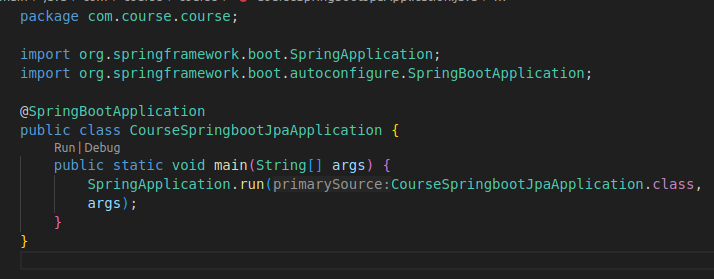
Why Spring Development?
Spring development is vital for businesses that must create complex Java applications. It's a framework that offers a wide range of tools within its ecosystem, making it easier for developers to build and maintain large systems. With Spring, companies can construct microservices — small, independent processes that, together, form a complete application. This modular approach lets developers update parts of the system without disrupting the whole, keeping business services running smoothly.
Another critical feature of Spring is Spring Security, which handles the safety of applications. It manages who can access information and how data is shared across a system. This is crucial for businesses dealing with sensitive customer data or needing to protect their information.
Overall, Spring's ecosystem allows for building robust applications that can grow with a company. It helps developers create systems that can handle more users or data over time. Using Spring means a business can adapt quickly to new demands — essential for staying ahead in today's fast-paced market.
Benefits of Spring Development
Spring development is crucial in modern web development for building scalable applications. It supports agile methodologies, allowing for rapid and flexible responses to market changes. Spring’s benefits include:
- Data access: Spring simplifies database interactions, making data handling more efficient.
- Batch processing: The framework provides tools for batch processing of data, which enhances performance.
- Web applications: Spring's model-view-controller (MVC) architecture is ideal for creating structured, scalable web applications. Spring MVC splits the application into three parts, which makes it easier for developers to test and improves code quality.
- Security: Spring Security protects applications against common threats, helping keep business data safe.
- Aspect-oriented programming (AOP): Spring supports AOP, which separates programming concerns from business logic. This leads to modular code and reduces the chance of errors.
- Scalability: Spring's dynamic auto-scaling lets applications meet user demand without manual intervention from developers.
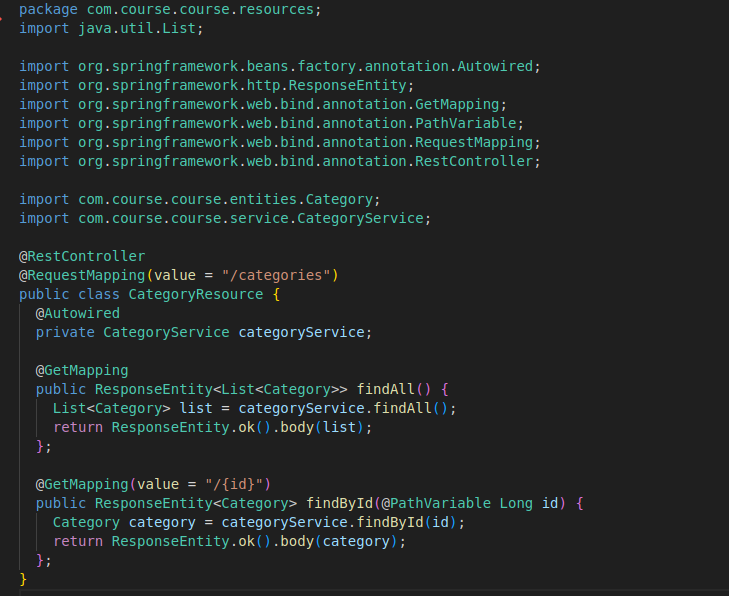
What Does a Spring Developer Do?
Generally, a Spring developer develops, maintains, and deploys enterprise-level Java Spring applications. A Spring developer's responsibilities may include the following tasks:
- Creating and maintaining custom components or modules using the Java Spring framework
- Designing application architectures, implementing software design patterns, and employing architectural best practices
- Testing software applications to ensure they meet quality standards
- Developing automated test scripts and formulating detailed test strategies to validate application functionality
- Maintaining a comprehensive understanding of all development processes and technologies
- Ensuring applications are secure and compliant with industry standards
- Collaborating with other developers, project managers, and stakeholders to provide successful application delivery
- Integrating various database technologies with Spring Data to manage and confirm persistent data storage
- Monitoring and optimizing application performance, making adjustments to enhance efficiency and speed
- Creating and updating documentation for system architecture and design, promoting clarity and consistency within the development team
Required Skills and Qualifications
Top candidates for Spring development positions should have a robust blend of skills. Technical proficiencies are a must, including expertise in REST API and XML for web services. Familiarity with database management systems like SQL, MySQL, and Oracle is essential, as well as experience with JDBC for connecting to these databases.
Candidates should know server environments such as Apache Tomcat for deploying web applications. Knowledge of front-end technologies like JavaScript and frameworks such as Angular is also beneficial. Additionally, understanding DevOps practices and tools like AWS can be crucial for seamless project development and deployment.
In terms of soft skills, the ability to work within an Agile framework is crucial, offering adaptability and collaboration in a fast-paced development environment. Strong problem-solving abilities, attention to detail, and effective communication skills are imperative.
Candidates should hold a degree in computer science or a related field, although proven experience can sometimes substitute for formal education. Certifications in specific technologies like AWS or Oracle may give candidates an edge. Continuous learning is essential as technology evolves, so companies value a commitment to keeping skills current.
Popular Spring-Related Languages and Libraries
Spring development is closely tied to Java but is not the only language used in this ecosystem. Developers can employ other languages that work well with Java for Spring projects. Kotlin is a crucial player, known for its straightforward syntax and full support by Spring. Groovy adds flexibility with its dynamic features, and Scala offers a blend of functional and object-oriented programming, although it's a less common choice.
To boost their productivity, developers also use libraries. Thymeleaf helps with server-side templating for HTML views. Project Lombok cuts down repetitive code, making Java more concise. Apache Commons provides a collection of utility functions, easing common coding tasks. These tools enrich the Spring framework, making it more powerful and developer-friendly.
Related Languages
While Spring uses Java, other languages interoperate with Java. Developers can also use them in the context of Spring development. Some of these languages include:
- Kotlin: A statically typed language that runs on the Java Virtual Machine (JVM) and can be used interchangeably with Java in Spring applications. It's known for its concise syntax and is officially supported by Spring.
- Groovy: Another JVM language that integrates seamlessly with Java. It's a dynamic language with features similar to those of Python, Ruby, and Smalltalk, making it a fit for scripting and domain-specific language (DSL) writing within Spring applications.
- Scala: Scala is a JVM language that combines object-oriented and functional programming concepts. It's known for its concise and expressive syntax. Scala can be used with Spring, but it's less common than Kotlin or Groovy.
Related Libraries
Spring developers often augment their applications with specialized libraries to streamline development and enhance functionality. These libraries, compatible with the Spring framework, offer a range of utilities from simplifying template creation to reducing repetitive code:
- Thymeleaf: A modern server-side Java template engine for web and standalone environments, allowing for natural templating that can work with HTML files.
- Project Lombok: A Java library that plugs into your editor and build tools, enhancing your Java with a dose of getters, setters, and much more, reducing boilerplate code in Spring applications.
- Apache Commons: A suite of Java utility libraries that provides a wealth of additional functions, facilitating tasks like string manipulation and file I/O. It can enhance Spring application development.
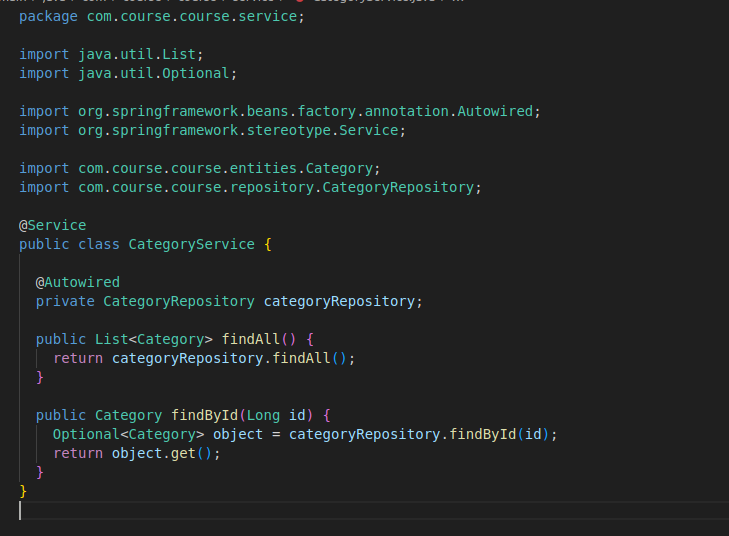
Popular Spring Programming Tools
Spring development benefits from tools that streamline database interaction and project building to enhance efficiency. Developers can focus on crafting robust applications by abstracting complex database queries and simplifying build processes. The following tools are integral in this process:
- JPA (Java Persistence API): A tool that maps Java objects to database tables. It helps developers interact with databases without writing complex SQL queries, saving time and reducing errors.
- Spring Data: A collection of tools simplifying data access even further, working with JPA to provide a more intuitive way to handle database operations. Spring Data helps in managing data access layers more effectively.
- Maven: A build automation tool used primarily for Java projects. Maven uses a project object model (POM) and a set of annotations to manage project dependencies and streamline the build process, making it more straightforward to compile and package applications.
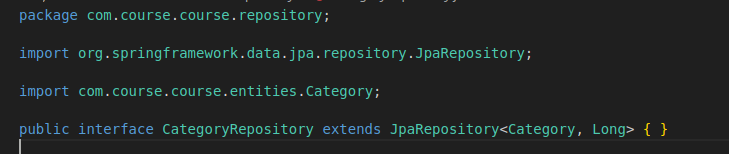
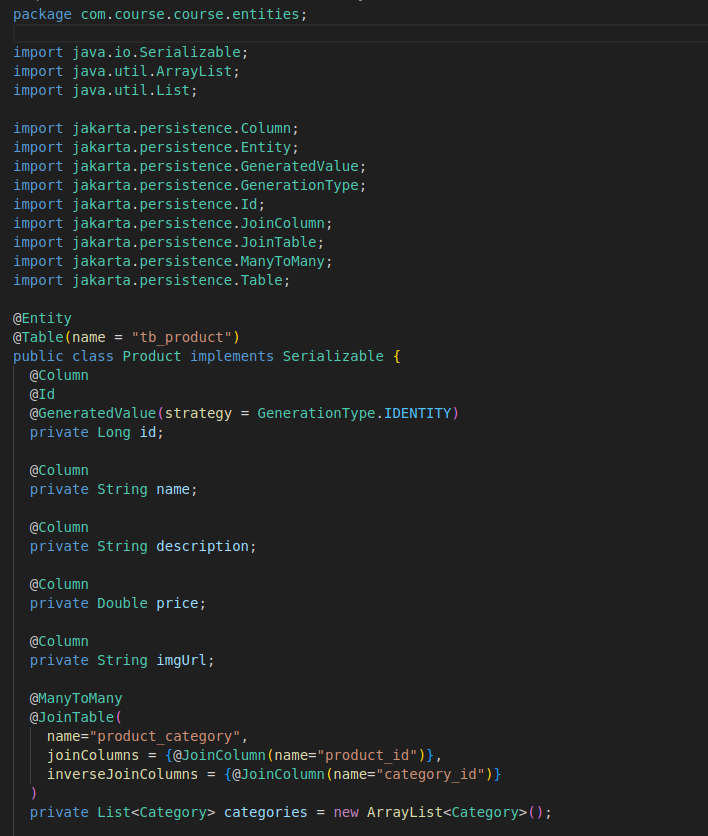
How Does Spring Fit Into Modern Back-end Development?
Spring is a powerful back-end framework that helps developers build robust, scalable applications efficiently. It's well-suited for creating complex server-side platforms where stability and performance are key. For example, e-commerce sites that handle thousands of transactions or social networks that manage vast amounts of user data can benefit from Spring's capabilities. The framework's tools for handling security, data access, and transaction management make it a solid choice for businesses needing reliable applications.
Spring works well with various databases and RESTful services and integrates with technologies like Node.js. This integration enables building applications that are quick, safe, and flexible. Spring's emphasis on unit testing helps teams find and fix problems sooner. Businesses use Spring developers to maintain a competitive edge with high-quality, efficient services.
How Much Does It Cost to Hire a Spring Developer?
A mid-level Spring developer with four to six years of experience in the U.S. earns an average annual salary between $85,000 and $136,000. This figure can vary depending on the company, industry, and location. Additional benefits like bonuses or stock options also affect a Spring developer’s total compensation package.
Developers from Latin America possess skills on par with others, but due to a lower living cost, they often receive salaries 30% to 50% below those of developers in the U.S., depending on where they live. Revelo connects businesses to these skilled, thoroughly assessed developers from Latin America, providing an affordable option without sacrificing excellence.
Featured Tool: Tech Team Budget Calculator
Why Hire Spring Developers With Revelo?
Securing a dedicated Spring developer is strategic for companies aiming to enhance their backend systems and infrastructure. These developers have specialized skills that can significantly improve Java applications, contributing to a business's overall agility and efficiency. Yet, the search for such specialized talent often poses a challenge.
Revelo is a talent platform that streamlines the hiring process for Spring developers. Our vetting process means you only see the most skilled professionals who match your project requirements. We help with administrative tasks — from payroll to compliance — making the hiring process seamless. Additionally, we offer ongoing support so the developers you hire stay for the long term.
Hire Spring developers through Revelo today.
â€
Frequently asked questions
Everything you need to know about hiring Spring developers through Revelo.
How much does it cost to hire Spring developers through Revelo?
All-in monthly costs run roughly $4,600–$5,600 for junior, $5,800–$7,500 for mid-level, and $7,200–$10,700 for senior developers: engineer compensation, PEO coverage, and Revelo's margin combined. No placement fee, no surprise invoices.
How quickly can I hire Spring developers through Revelo?
You'll see a curated shortlist of matched, pre-vetted candidates within 72 hours, and most companies make a hire within 14 days of sharing their requirements.
What is Revelo's vetting process for Spring developers?
Every candidate is identity-checked, skills-tested, and human-screened: technical assessments matched to their stack, soft-skills and English-fluency interviews, and review by in-market recruiting experts before they ever reach your shortlist.
What engagement models does Revelo offer for Spring developers?
Month-to-month, full-time engagements, with no long-term lock-in. Scale up for a big push or pull back after launch as your roadmap evolves, with a 14-day risk-free trial on every hire.
What happens after I hire Spring developers through Revelo?
Revelo handles payroll, benefits, taxes, and compliance across 18 countries, and your dedicated account manager stays with you through onboarding and beyond. Your engineer ships code from day one.
Our Spring developers know these tech stacks and more
Our talent is experienced in these libraries, APIs, platforms, frameworks, and databases.
Ready to hire Spring developers?
See a curated shortlist of pre-vetted candidates in 72 hours. Only pay if you hire.