


Hire the best Scala developers in Latin America
















400k+
ENGINEERS
14 days
to hire
100+
COVERED
30-50%
US hires
Why hire Scala developers through Revelo?
Rigorously vetted senior developers from Latin America who work in your timezone, ready to contribute from day one.
Interview only the best Scala developers
A shortlist of three to five pre-vetted candidates, hand-picked by in-market recruiters. You decide who to interview, you decide who to hire.




One platform for talent, payroll, taxes and compliance
Your team runs legally across 18 countries in Latin America. Manage your engineers without managing the infrastructure underneath them.




Local recruiting experts invested in your hire
In-market recruiters and account managers cover sourcing, offer strategy, and onboarding. They stay with you until your engineer is up and running.


Your team, your terms
Month-to-month engagements mean you're never locked into headcount you don't need. Scale up for a big push, pull back after launch.





Hire the top 1% of developers in Latin America
Hire vetted senior developers, matched to your stack, your timezone, and your budget.


Hire Scala developers in 4 simple steps
Get from "we need someone" to your first day together in weeks, not months.
Tell us what you're building and what kind of Scala developers you need: skills, experience level, team dynamics.
Three to five matched, pre-vetted candidates: identity-checked, skills-tested, human-screened. No wading through hundreds of profiles.
Run your own technical interviews. You decide who to interview and who to hire. Full control, no gatekeeping.
Make the offer. Revelo handles payroll, benefits, taxes, and compliance so you can focus on building. Your engineer ships code from day one.
10+ years making it easier to hire elite nearshore Scala developers
Interview pre-vetted candidates who are fluent in English and work in your timezone.
Start hiring
Why hire developers based in Latin America?
Work synchronously with Scala developers in the same or overlapping US time zones. Real-time collaboration, no async tax.

"Revelo tries to understand the problem and the best solution. They're not just a traditional vendor. The way I think about them, they're more of a strategic partner."


"If I look at different companies, Revelo just feels more like we're an extension of the same company. And that is an incredible difference between different vendors."


"They're part of the team. They're attending the standup, they're there with their camera on, talking about problems. They really fit in the culture that we are trying to build here."





What are Scala developers?
Why hire Scala developers?
What does it cost to hire Scala developers?
Why hire in Latin America?
How to evaluate Scala developers
Why expertise matters
Benefits of working with Scala developers
Scala is short for scalable language that has a high-performance runtime and, thus, proves highly attractive to finance and big data industries. Although Scala is a general-purpose language, companies primarily use it to build data-intensive distributed applications and systems and solve complex programming problems.
Many companies seek to hire Scala developers as part of their engineering teams. There aren’t as many jobs for the already small pool of Scala developers as for more common languages, which puts these professionals in high demand with commandingly high salaries. All this makes finding and hiring Scala developers challenging, even for the most experienced hiring managers.
What Is Scala Development?
Scala runs on the Java Virtual Machine (JVM) and works with existing Java code. Like Java, its source code compiles into bytecode for execution. However, Scala is different from Java in several significant ways. Scala uses both object-oriented and functional programming. It's less readable than Java due to nested code but much faster at processing and compiling code.
Netflix, LinkedIn, and Uber all use Scala in their applications. Scala excels at large data applications such as these. It's used in data processing applications like the Spark framework to handle real-time data streaming and distributed computing applications, which store components on separate computers but run them as a cohesive system.
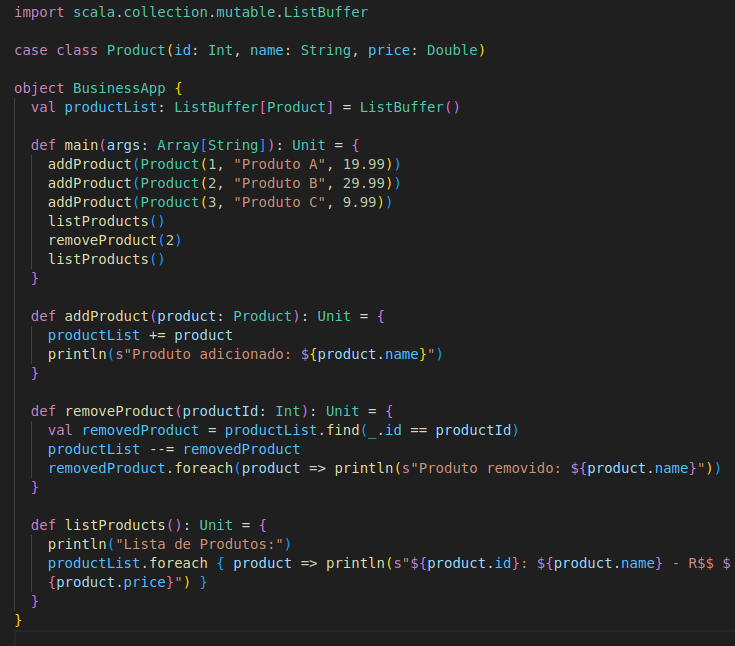
Why Scala Development?
When comparing Scala to Java, startups or established businesses may choose Scala development for several reasons. Scala is a concise syntax, which reduces the development process. Scala’s type interface offers advanced capabilities, and developers don’t need to define the type of every variable, allowing for cleaner code. Scala is also a cheaper alternative to Java. Despite this, Scala is interoperable with Java, meaning developers can access Java libraries and call Java code with Scala.
Besides its compatibility with Java libraries, Scala comes with its own robust ecosystem. Scala’s libraries and tools support functional, object-oriented programming, concurrent and distributed computing, data analysis, and web development. Its ecosystem constantly evolves, and developers can use it to build simple scripts onto complex performance systems.
Scala development allows companies to build better software systems and programs, innovate faster, and improve their digital offerings. As a result, the process can support business growth and competitive advantage.
Benefits of Scala Development
Finding the best language for each project depends on its individual needs and goals. Scala development, in particular, is efficient, expressive, scalable, and reliable. Some of this language's specific benefits include:
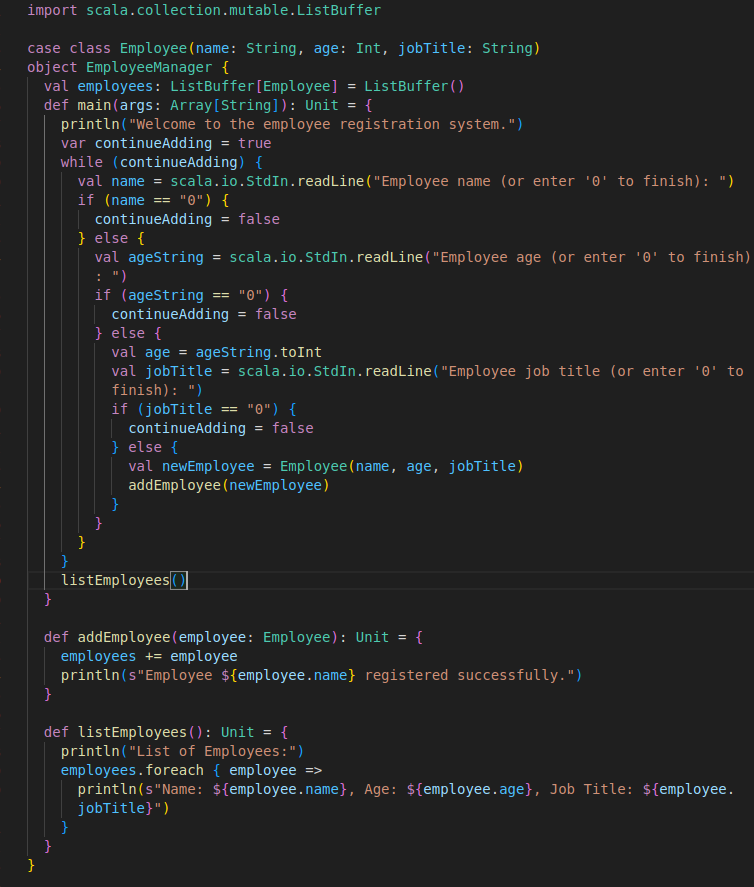
- Concise syntax: The concise nature of Scala leads to shorter scripts and development time. It also makes the language more readable, reducing the likelihood of bugs in the code.
- Scala ecosystem: Scala features a robust ecosystem with a rich collection of libraries, frameworks, and tools. As Scala is interoperable with Java, developers can also access Java's features to streamline workflows.
- Multi-paradigm programming language: With Scala, developers can seamlessly integrate object-oriented and functional programming features. This can make code more robust, scalable, and maintainable.
- Language features: Scala allows developers to utilize advanced language features, such as pattern matching, higher-kinded types, and case classes. These features facilitate sophisticated designs and abstractions.
Frequently asked questions
Everything you need to know about hiring Scala developers through Revelo.
How much does it cost to hire Scala developers through Revelo?
All-in monthly costs run roughly $4,600–$5,600 for junior, $5,800–$7,500 for mid-level, and $7,200–$10,700 for senior developers: engineer compensation, PEO coverage, and Revelo's margin combined. No placement fee, no surprise invoices.
How quickly can I hire Scala developers through Revelo?
You'll see a curated shortlist of matched, pre-vetted candidates within 72 hours, and most companies make a hire within 14 days of sharing their requirements.
What is Revelo's vetting process for Scala developers?
Every candidate is identity-checked, skills-tested, and human-screened: technical assessments matched to their stack, soft-skills and English-fluency interviews, and review by in-market recruiting experts before they ever reach your shortlist.
What engagement models does Revelo offer for Scala developers?
Month-to-month, full-time engagements, with no long-term lock-in. Scale up for a big push or pull back after launch as your roadmap evolves, with a 14-day risk-free trial on every hire.
What happens after I hire Scala developers through Revelo?
Revelo handles payroll, benefits, taxes, and compliance across 18 countries, and your dedicated account manager stays with you through onboarding and beyond. Your engineer ships code from day one.
Our Scala developers know these tech stacks and more
Our talent is experienced in these libraries, APIs, platforms, frameworks, and databases.
Ready to hire Scala developers?
See a curated shortlist of pre-vetted candidates in 72 hours. Only pay if you hire.